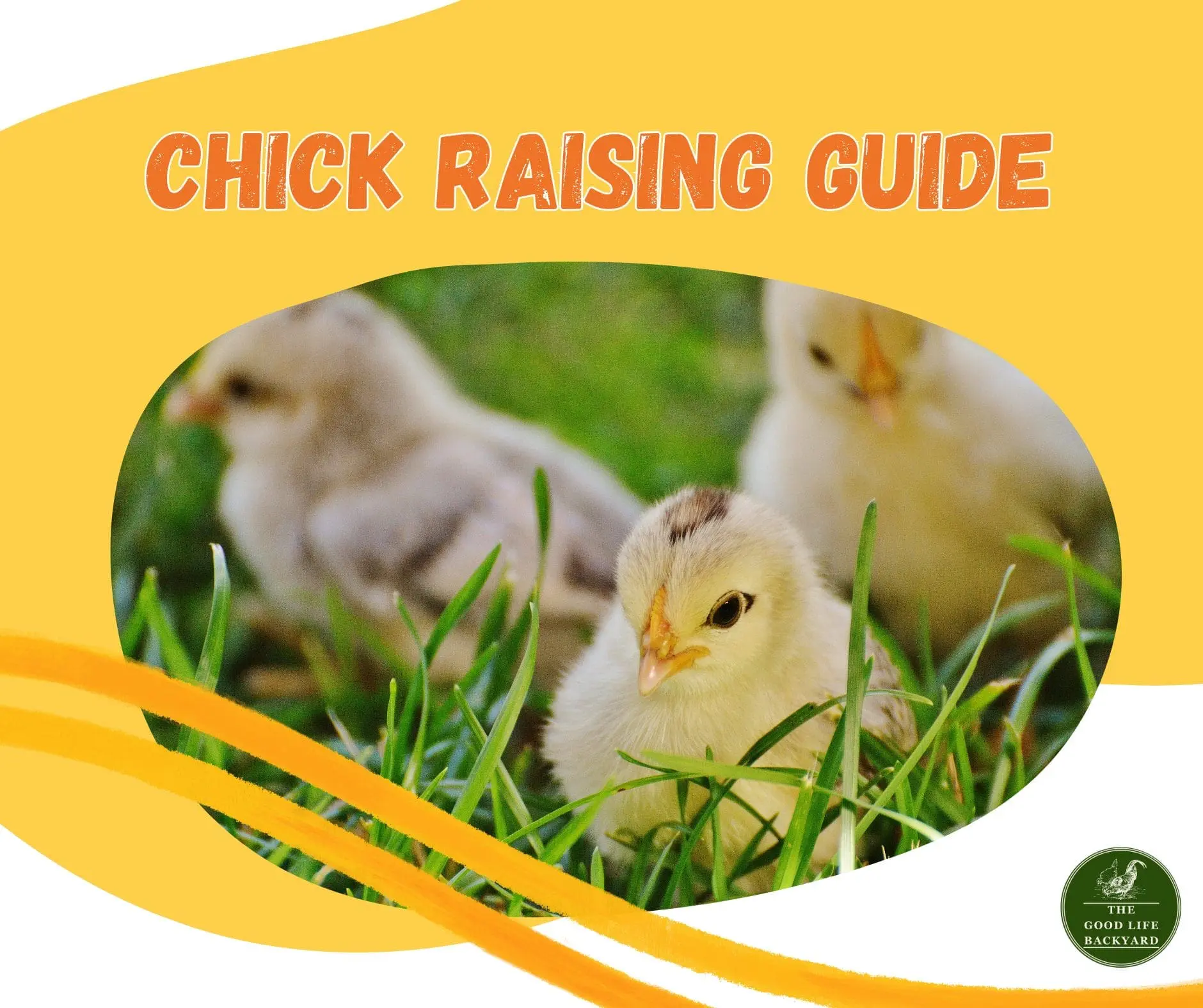
Chick Raising Guide
So, you’ve picked up some baby chicks. What’s next?
Like any baby, chicks sleep a lot, so make sure they have access to clean food and water, but don’t expect much action during this time.
At this age, it’s common for chicks to develop “pasty butt.” This occurs when sticky feces coat the chick’s backside, drying onto their feathers, and clogging their vent—the area where chickens urinate, defecate, and lay eggs. A clogged vent can be fatal for a chick. To treat this, gently soak the chick’s bottom with a warm, wet paper towel to remove the blockage.
It’s a good idea to get your chicks accustomed to being picked up and handled from a young age. This makes health checks easier when they’re adults and also helps them become friendly, much like any other family pet.
If children are handling the chicks, make sure they are seated on the floor. This way, if the chick wriggles out of their hands, it won’t fall far and risk injury. Make sure the children wash their hands afterwards to mitigate and risk of spreading bacteria.
For your new chicks you will need:
Housing/Brooder
- You’ll need some sort of container, small building, or enclosure to house your brood. A simple box will do, but you can also build a special brooding house if you prefer. The main goal is to keep drafts out and protect the chicks. We stock a range of ready made Brooder Cages for purchase here. Check out our post “Setting up a Brooder Box” for more advice.
Bedding
- Chicks need something beneath them for comfort. Start with puppy pads for the first few days, then add bedding. Pine shavings are a good choice—they’re low in dust, affordable, and widely available. Alternatively, our premium bedding “Chilled Chick” offers a unique blend of nesting materials combined with anti-parasitic herbs and flowers for the ultimate chick experience. A 1cm deep layer is usually sufficient. Chicks love practicing their scratching and foraging in this bedding, and you can also sprinkle some chick blend to encourage pecking. Change the bedding at least once a week.
Heat Lamp
- If you don’t have a broody hen, you’ll need a heat lamp or heat plate. If using a heat lamp, place it above the chicks, away from anything flammable. The initial temperature should be around 35°C and should decrease by 5°C each week until the chicks are fully feathered. Position the lamp so chicks can move closer or further away depending on their warmth needs. Alternatively, a heat/brooder plate offers consistent warmth with height-adjustable legs and is much more energy-efficient than a traditional heating bulb.

Feeder
- For the first week or two, plastic chick feeders are very convenient. Chicks tend to stomp in their feed and tip it over, creating a mess. Long chick feeders help keep the feed cleaner and make it harder for chicks to kick bedding and droppings into their food. As they grow, check the food level regularly and refill as needed.
Waterer
- Start with our clean chick waterer, or use a 1-litre waterer or galvanised waterer. If using the latter, place a few clean pebbles or marbles in the dish to prevent chicks from drowning. After six weeks, you can transition them to automatic waterers.
Food and Water
- Provide your chicks with as much food as they can eat. Chicks should start on “crumbles” or “chick starter,” specially formulated for their nutritional needs. It’s available as medicated or unmedicated. Medicated feed typically contains a small amount of Amprolium to help prevent coccidiosis. You can also use a preventative water additive for coccidiosis.
Cleaning
- Clean food and water dishes daily to prevent disease. Check the bedding for spilled water and faeces, removing any wet bedding immediately to avoid chilling the chicks and creating a breeding ground for disease.
Playtime
- Chicks are incredibly curious. After the first week or two, they can be allowed outside for short periods if the temperature is warm enough. However, they must be closely watched. Chicks are fast, can squeeze into small spaces, and are vulnerable to many predators, including household pets. They are also escape artists, so ensure they are in a secure enclosure.