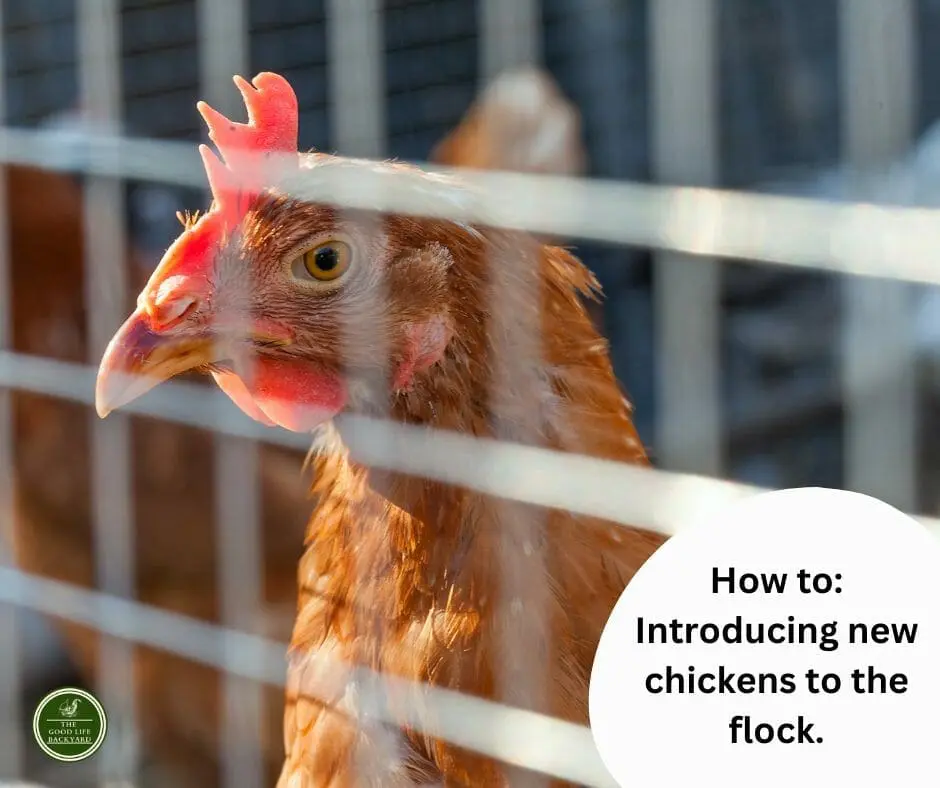
Adding new chickens to your existing flock can be an exciting but delicate process. Properly introducing new members requires careful planning and consideration to ensure a smooth integration and maintain harmony within the flock.
Here are some tips for a gentle transition:
1. Prepare a Separate Quarantine Area: Before introducing new chickens, it’s essential to have a separate quarantine area to observe and monitor their health. This area should be far enough from your existing flock to prevent direct contact but close enough for the new chickens to feel the presence of other chickens. This helps to prevent the spread of potential diseases and allows the new birds to acclimate to their new environment.
2. Observe and Quarantine: Keep the new chickens in quarantine for at least two to three weeks to monitor their health for any signs of illness. During this period, ensure they have proper food, water, shelter, and social interaction. Regularly check for symptoms of diseases such as respiratory issues, parasites, or unusual behaviour. Look for signs like sneezing, nasal discharge, lethargy, or abnormal droppings. Providing a clean and comfortable quarantine area helps reduce stress and supports the health of the new chickens.
3. Familiarise with Proximity: After the quarantine period, you can begin introducing the new chickens to the flock gradually. Start by allowing them to see and hear each other without direct contact. Use a wire fence or a separate enclosure within the main coop to maintain physical separation while enabling social interaction. This step helps the chickens get used to each other’s presence and reduces initial aggression. Spend time near the coop to observe their interactions and ensure there are no signs of severe stress or aggression.
4. Supervised Encounters: Once the chickens have become accustomed to each other’s presence, supervised encounters can begin. Allow short periods of supervised interaction in a neutral territory outside the coop. This helps establish a pecking order and minimises aggression. Gradually increase the duration of these interactions as the chickens become more comfortable with each other. Ensure there are hiding spots and escape routes available in case any chicken needs a break from the social interaction.
5. Monitor Behaviour and Address Conflicts: Pay close attention to the chickens’ behaviour during the introductions. Some pecking order disputes are normal, but excessive aggression or bullying should be addressed promptly. If conflicts arise, separate the birds involved and reintroduce them later with increased supervision. Watch for signs of pecking injuries or feather loss, and provide distractions such as treats or enrichment activities to redirect aggressive behaviours.
6. Provide Multiple Food and Water Sources: To avoid resource-related conflicts, ensure an ample supply of food and water stations within the coop. This prevents dominant chickens from monopolising resources and allows all members to access essential nourishment. Place feeders and waterers in different areas to reduce competition and stress among the flock members. Providing extra feeding stations can also help keep the peace during the integration process.
7. Provide Adequate Space: Make sure your coop has sufficient space to accommodate the expanded flock comfortably. Overcrowding can lead to stress and aggression. Aim for a minimum of 40cm per chicken inside the coop and 1 metre per chicken in the outdoor run. Evaluate your coop setup to ensure it meets these requirements and consider expanding the living area if necessary. Adequate space allows chickens to establish their personal zones and reduces the likelihood of conflicts.
8. Offer Environmental Enrichment: To reduce boredom and minimise aggression, provide environmental enrichment such as perches, dust bathing areas, and nesting boxes. This gives chickens outlets for natural behaviours, reducing the likelihood of negative interactions. Consider adding hanging cabbage heads, pecking blocks, or mirrors to keep your chickens entertained. A well-enriched environment promotes mental and physical well-being, making the integration process smoother. Read all of our boredom busters here.
9. Patience is Key: Introducing new chickens to an existing flock takes time. Be patient and allow the integration process to unfold naturally. It may take a few weeks for the chickens to establish a harmonious pecking order and bond as a cohesive group. Avoid rushing the process and be prepared for setbacks. Each flock is unique, and the integration timeline can vary based on factors such as flock size, individual personalities, and environmental conditions.
10. Gradual Integration: If you have a larger flock, consider introducing new chickens in pairs or small groups rather than all at once. This gradual approach can help reduce stress and allow the existing flock to adjust more easily to the new members. Introducing multiple chickens simultaneously can sometimes overwhelm the existing flock, leading to increased aggression and stress. Gradual integration allows for smoother social adjustments.
11. Health Checks and Biosecurity: Before introducing new chickens, ensure they are vaccinated and free from diseases. Practice good biosecurity measures, such as sanitising equipment and maintaining a clean environment, to protect both the new and existing flock members. Conduct thorough health checks on the new chickens, looking for any signs of illness or parasites. Implementing biosecurity protocols minimises the risk of disease transmission and promotes overall flock health.
12. Socialisation and Positive Reinforcement: Spend time socialising with both the new and existing chickens. Offering treats and positive reinforcement can help create positive associations and build trust. Use gentle handling and soothing tones to reduce stress during interactions. Socialisation fosters a positive relationship between you and your chickens, making the integration process more enjoyable for everyone involved.
Introducing new chickens to your flock is an exciting journey that requires careful planning, patience, and attentive supervision. By following these steps and providing a gradual and controlled introduction process, you can lay the foundation for a successful integration and foster a harmonious and thriving flock.


