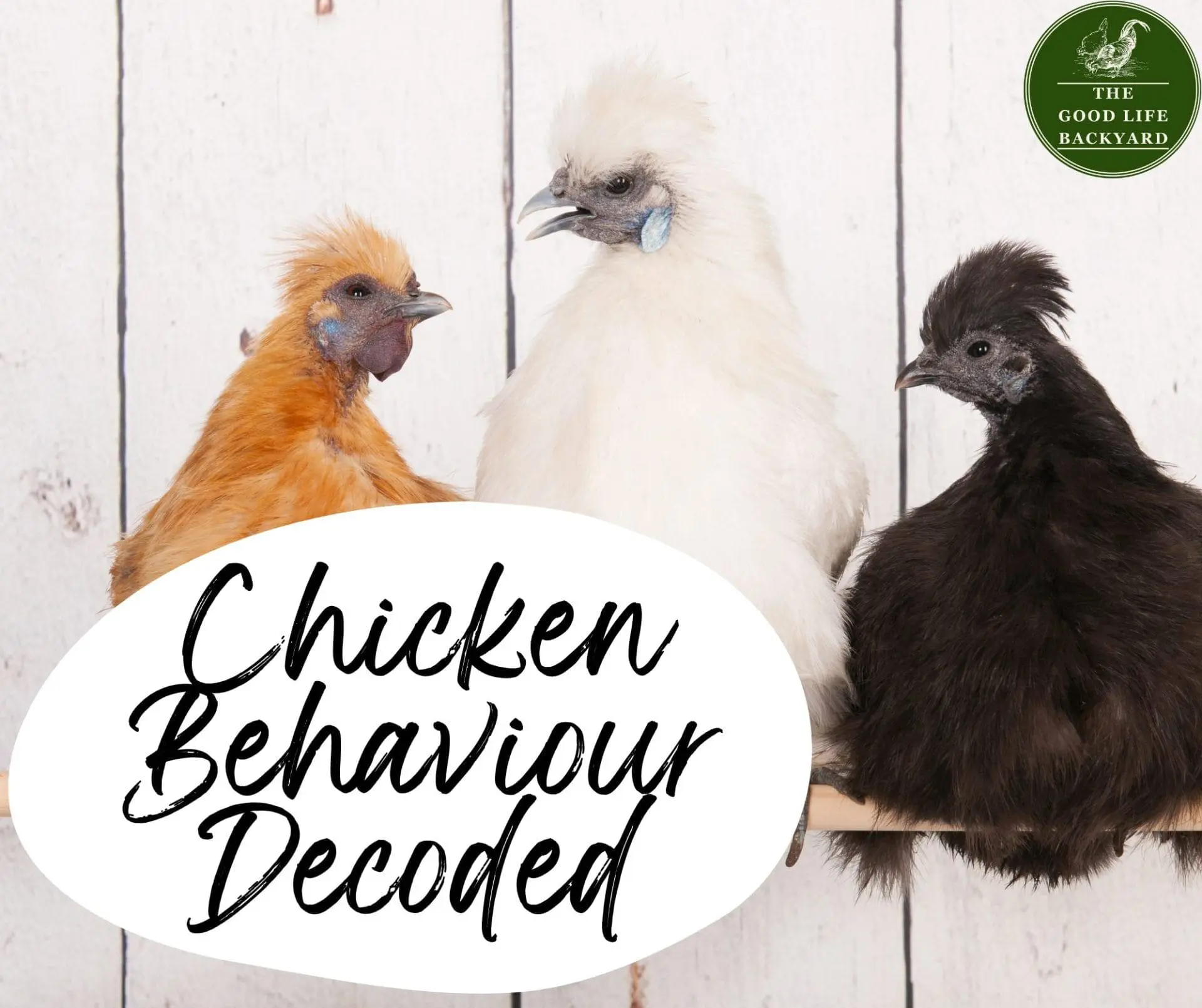
Understanding your flock’s behaviour is key to ensuring their well-being and happiness. Let’s decode some common chicken behaviours and what they mean.
1. Pecking Order: Establishing Social Hierarchy
One of the most fundamental aspects of chicken behaviour is the pecking order. This social hierarchy determines the ranking of each bird within the flock. Chickens establish this order through pecking, chasing, and occasionally aggressive behaviour.
- Why It Happens: The pecking order helps maintain order and reduces conflict within the flock. The dominant birds get first access to food, water, and preferred roosting spots.
- What to Watch For: Occasional squabbles are normal, but if you notice persistent bullying or injury, it may be necessary to intervene by providing more space or separating aggressive birds.
2. Clucking and Cackling: Communication through Sounds
Chickens are vocal creatures, using a range of sounds to communicate with each other and with you.
- Contented Clucking: This is a sign of a happy, relaxed bird. You might hear this sound when they’re foraging or socialising.
- Loud Cackling: Often heard after laying an egg, this sound can also signal alarm or excitement.
- Warning Clucks: Sharp, repetitive clucks indicate potential danger. Chickens have different calls for aerial predators (hawks) versus ground predators (foxes).
3. Dust Bathing: Natural Grooming
Dust bathing is a crucial behaviour for chickens, serving both practical and social purposes.
- Why It Happens: Dust bathing helps chickens keep their feathers clean, remove parasites, and regulate oil on their skin.
- Creating a Dust Bath Area: Provide a designated area with dry, loose soil or sand where your chickens can indulge in this activity. It helps prevent them from digging up your garden!
4. Roosting: Nighttime Perch
As dusk falls, chickens naturally seek out a high perch to roost for the night.
- Why It Happens: Roosting provides safety from predators and keeps them warm. Chickens instinctively look for elevated spots to sleep.
- Setting Up Roosts: Ensure your coop has sufficient roosting bars. Each bird needs about 8-10 inches of space on the perch.
5. Foraging: Instinctual Exploration
Foraging is an essential behaviour that keeps chickens physically and mentally stimulated.
- Why It Happens: Chickens are natural foragers, scratching the ground to find insects, seeds, and other tasty morsels.
- Encouraging Foraging: Scatter feed or provide enrichment items like cabbage heads or hanging treats to encourage natural foraging behaviour.
6. Broodiness: The Urge to Hatch
Broodiness occurs when a hen becomes determined to hatch eggs, often sitting on them for extended periods.
- Why It Happens: This is a natural maternal instinct triggered by hormonal changes.
- Managing Broodiness: If you don’t want chicks, regularly collect eggs to discourage broodiness. You can also isolate the broody hen in a separate area to break the cycle.
7. Aggression: Understanding the Causes
Occasional aggression is normal, but persistent aggressive behaviour can be problematic.
- Common Causes: Overcrowding, lack of resources, or introducing new birds can trigger aggression.
- Managing Aggression: Ensure your chickens have enough space, food, and water. When introducing new birds, do so gradually to reduce stress.
8. Preening: Feather Maintenance
Preening is a grooming behaviour where chickens use their beaks to clean and arrange their feathers.
- Why It Happens: Preening keeps feathers in good condition, removes dirt, and distributes oil for waterproofing.
- Healthy Preening: Provide a clean, dry environment to support this natural behaviour.
9. Nesting: Finding the Perfect Spot
Hens will seek out a quiet, secluded spot to lay their eggs.
- Why It Happens: Nesting instincts drive hens to find a safe place for their eggs.
- Nesting Boxes: Provide one nesting box for every 3-4 hens, filled with clean bedding to encourage them to lay in designated areas.
Understanding your chickens’ behaviour helps you create a harmonious and healthy environment for your flock. By observing and responding to their needs, you’ll build a deeper connection with your birds and ensure they thrive. Happy chicken keeping!


