What Are Red Mites?
Red mites, also known as poultry red mites or chicken mites, are tiny external parasites that feed on the blood of chickens. They are nocturnal feeders, meaning they hide in cracks and crevices of the coop during the day and come out at night to feed on your flock.
After feeding, red mites turn dark red, which is how they get their name. A red mite infestation can build rapidly, especially in warm weather, and often goes unnoticed until chickens begin showing signs of stress or illness.
Left untreated, red mites can cause:
Severe irritation and discomfort
Anaemia from blood loss
Reduced egg production
Weight loss and weakness
Death in extreme infestations
How Do Red Mites Affect Chickens?
Red mites thrive in warm, dark environments, making wooden coops, nest boxes, and roosts ideal hiding places. While red mites are tiny and hard to spot initially, their effect on chickens can be significant.
As red mites repeatedly feed on blood, chickens may become:
Anaemic (pale combs and wattles)
Lethargic or weak
Stressed and restless at night
Poor layers or stop laying altogether
Heavy red mite infestations can overwhelm even healthy birds, particularly young, old, or broody hens.
Signs of Red Mites in Chickens
If you suspect red mites, look for these common warning signs:
Reduced egg production due to stress and anaemia
Weight loss and general weakness
Pale combs and wattles, indicating blood loss
Restlessness at night, as mites feed after dark
Tiny red or grey specks in nest boxes, roost ends, or coop cracks
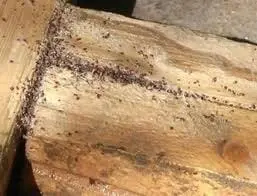
Clusters of mites or red dust (mite droppings) around timber joints
Tip: Check your coop at night with a torch and run a white cloth along cracks—red streaks are a strong sign of red mites.
Where Do Red Mites Come From?
Red mites are commonly introduced through:
Wild birds
Contaminated bedding or second-hand equipment
New chickens brought into the flock
Red mites can survive for weeks without a host, hiding deep in coop crevices, which is why infestations often go unnoticed until numbers explode.
How to Treat Red Mites in Chickens
The most effective red mite control requires treating both the chickens and the coop.
1. Treating Chickens for Red Mites
The best time to treat chickens is at night, when red mites are active.
Effective red mite treatments include:
Diatomaceous Earth (DE)
A natural, chemical-free option that dehydrates red mites. Apply carefully to the vent, under wings, and along the neck. Always wear a mask during application.Pestene Powder
A widely used insecticidal powder for red mites. Dust thoroughly, especially in mite-prone areas.Exzolt Red Mite Treatment
A highly effective systemic red mite treatment added to drinking water. Red mites are killed as they feed. No egg withholding required and ideal for larger flocks.Red Mite Sprays
Contact sprays such as Avitrol Mite & Lice Spray kill red mites quickly when applied directly to skin and feather shafts.
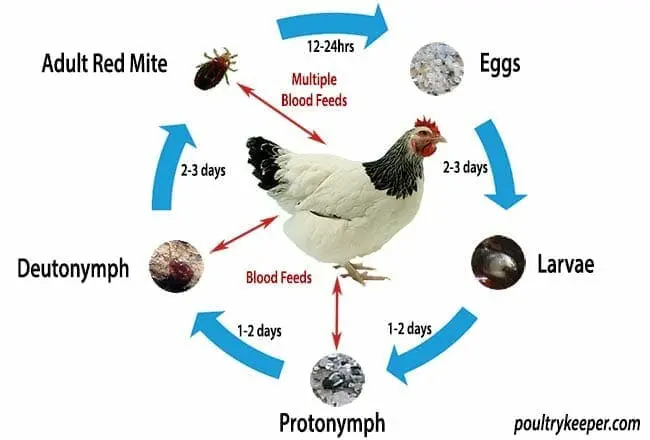
Tip: Repeat treatments every few days for several weeks to break the red mite life cycle.
2. Cleaning and Treating the Coop for Red Mites
Red mites spend most of their life in the coop, not on the bird. Treating the environment is essential.
Step-by-Step Red Mite Coop Treatment
Remove all bedding
Dispose of bedding carefully—do not compost, as red mites can survive and spread.Scrub the coop thoroughly
Use hot, soapy water on all surfaces, focusing on cracks, joints, roosts, and nest boxes.Apply red mite control products
Dust cracks and crevices with Diatomaceous Earth, Pestene, or an approved insecticide.Protect yourself
Change clothes immediately, wash on a hot cycle, and shower. Red mites will crawl onto humans and cause irritation.Consider plastic nest boxes
Plastic offers fewer hiding places and is much easier to clean than timber.
Repeat coop treatments every 7 days until no signs of red mites remain.
Scaly Leg Mites
Scaly leg mites, a specific type of mite, live on the legs of chickens and burrow under the scales of their feet. This causes swelling, irritation, and scabby, rough skin. Left untreated, scaly leg mites can cause lameness or lead to secondary infections.

How to Treat Scaly Leg Mites:
- Soak feet: Soak the affected chicken’s feet in warm, soapy water and gently scrub away any loose scales.
- Apply treatment: Use a medicated treatment like Aristopet Scaly Leg and Face treatment or our natural mite spray. After applying, coat the legs in Vaseline or oil to smother remaining mites.
- Repeat treatment: Repeat every few days for a week or two to ensure the mites and eggs are fully eliminated.
More information on Scaly Leg mites can be found here.
Preventing Mite Infestations
Preventing mites is much easier than treating them. Here’s how you can keep your flock mite-free:
1. Limit Wild Birds
Wild birds are a common source of mites. Keep your coop and run covered with mesh to prevent birds from coming into contact with your flock.
2. Encourage Dust Bathing
Dust baths are a natural way for chickens to manage parasites. Ensure your flock has a designated dust bath area, and consider adding Diatomaceous Earth or Pestene Powder to the dust for extra mite protection. We also have a ready made dust bathing natural product available here.
3. Maintain Coop Hygiene
Regularly clean your coop and change bedding to prevent mites from finding a home. A clean, dry coop makes it much harder for mites to establish themselves.
4. Routine Mite Checks
Regularly inspect your chickens for signs of mites, especially around the vent and under the wings. Catching an infestation early makes treatment much easier.
5. Rotate Treatment Products
To prevent mites from becoming resistant to a specific treatment, rotate between different products like DE, Pestene, and mite sprays.
Chicken mites can cause serious harm to your flock if left untreated, but with regular inspections, proper treatments, and a focus on prevention, you can keep your chickens healthy and mite-free. Stay vigilant, and act quickly at the first sign of mites to protect your flock from these pesky parasites.


