
What is fodder?
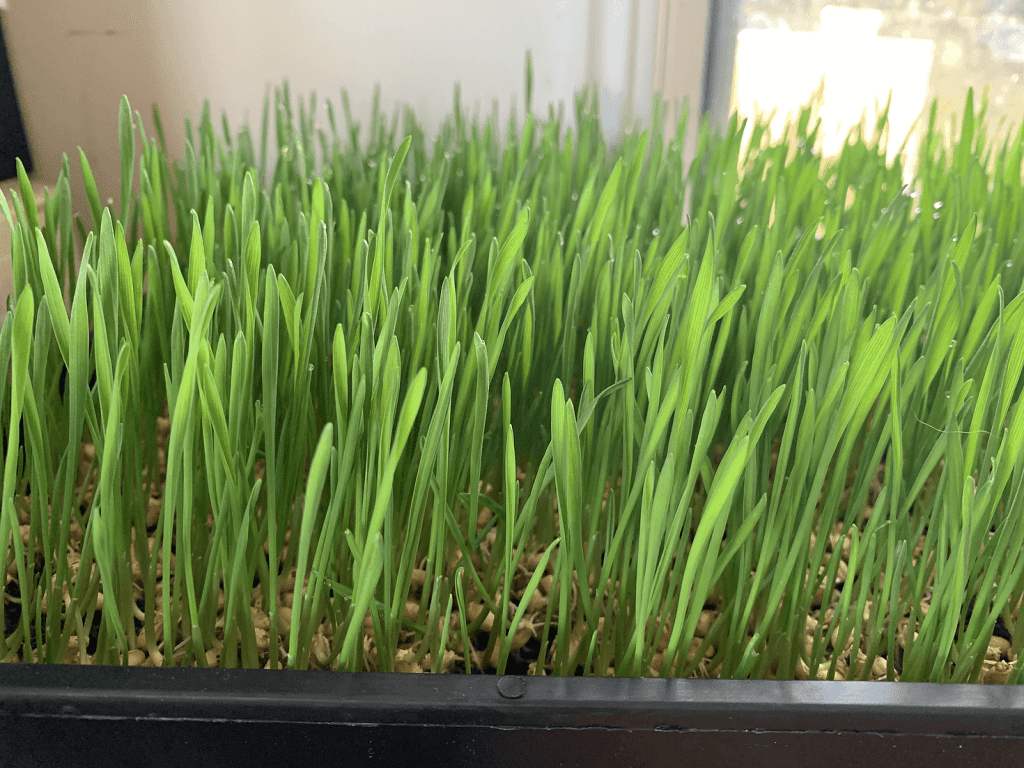
Fodder is a mat of sprouted seeds that can be used to feed a variety of livestock and small animals, including chickens.
While we think of whole grains as food, they are really seeds formed by a plant to regenerate itself. Untreated whole grains need nothing more than a little moisture to try to do what they’re meant to do: grow.
By giving grains the conditions necessary to sprout, they’ll do what comes naturally with very little effort on your part.
The foundation for a fodder system is a quality seed. The four basic types of seed grains used to sprout fodder are rye, oats, barley, and wheat. All of these are fairly common ingredients in poultry diets, you may even find them in your prebagged feed. When these grains are sprouted, the germination process is said to make the nutrients up to 40% more digestible and available.
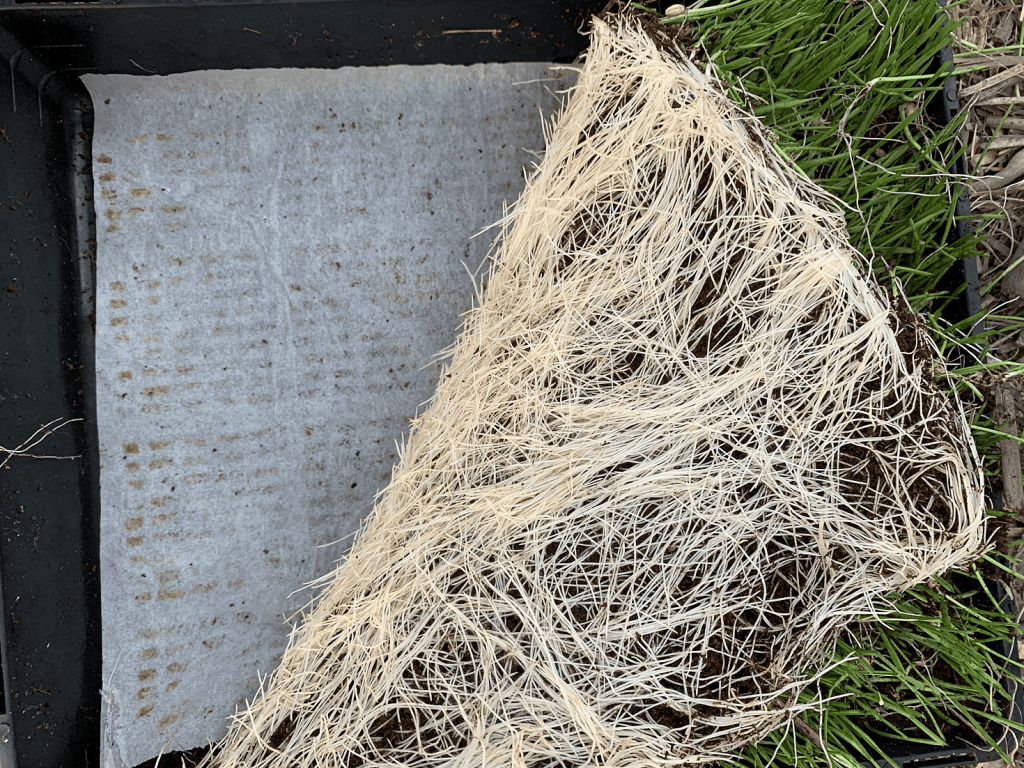
Fodder is not only super nutritious for chickens, ducks, and geese, providing them protein and fiber, they enjoy nibbling the tops and scratching at the roots looking for bugs.
But why grow fodder?
Fodder is an especially valuable addition to your flock’s diet during dry spells or when fresh greens are hard to come by. It’s a cost-effective, space-saving way to grow live food indoors or in small outdoor setups. Plus, sprouted fodder contains chlorophyll, enzymes, and vitamins that are typically missing from a grain-only diet.
This green mat is also a brilliant boredom buster—giving your chickens something to peck at and forage through, which helps reduce feather pecking and other unwanted behaviours.
How to grow your own fodder system
Ready to get sprouting? Download our step-by-step fodder instructions here!
You will need
- Drawer storage trays (we recommend 3 sets)- see picture or shallow seed trays
- Drill with a 3-5mm bit
- Bulk whole grain – barley, wheat, or oats work well
- Bucket
- Water
Instructions
STEP 1:
Soak your grains of choice in a food-grade bucket or bowl overnight. This will jumpstart the process.
STEP 2:
Take your drawer storage trays or shallow trays and drill holes around 5cm apart. Just on the bases, this is for drainage (exclude the bottom tray if using a drawer system).
STEP 3:
Fill the top tray with soaked seed up to around 1cm deep. Repeat steps 1-3 every day until you have a full cycle set of fodder. As you fill a new tray, move it down the drawers (so the new tray is at the top)
STEP 4:
Keep the grains moist, but not soaking wet, until they begin to sprout. Water the top once to twice daily and let the water run through to the lower trays. Empty the lowest tray before watering again. Make sure you’ve set them in a sunny place so they grow quicker.
STEP 5:
After 3-7 days, your fodder will be sprouting nicely, depending on the temperature in your home or where the fodder is located. Once the tray is at your desired length flip the fodder matt out, give it to your chooks and cycle that tray to the top of the drawer system to fill the next day.
Fodder can take a few tries to master, but once you’ve mastered it, you’ll begin putting together a constant rotational system that suits your needs.
Extra Tips for Success
- Use clean, fresh water to avoid mould or bacteria growth
- If your climate is humid, consider increasing airflow around the trays
- Rinse grains a few times before soaking to remove any debris or dust
- Don’t overcrowd the trays—too thick a layer can lead to spoilage
- If mould is an issue, a splash of apple cider vinegar in your rinse water can help

Fodder FAQs: What You Need to Know
Q: How long does it take to grow fodder?
A: Most grains will sprout into usable fodder within 3 to 7 days, depending on temperature and airflow. In warmer weather, you’ll often see sprouts in just a few days!
Q: How much fodder should I feed my chickens?
A: Fodder is a supplement, not a replacement for their regular feed. Aim for a small mat about the size of your hand per bird, once a day. It’s packed with nutrition and enrichment but they’ll still need their layer pellets or crumble too.
Q: My trays are going mouldy, what am I doing wrong?
A: Mould is usually caused by too much moisture, poor drainage, or lack of airflow. Make sure your trays are draining well, keep the grain layer shallow (no more than 1cm deep), and try spacing trays out or placing a fan nearby.
Q: What’s the best grain to use for fodder?
A: Barley is one of the most popular choices because it sprouts quickly and easily. Wheat and oats also work well—and many people use a mix to keep things interesting for their flock. Just make sure the grains are whole, untreated, and food-grade.
Q: Can I use sprouted fodder all year round?
A: Absolutely! Fodder is especially useful in dry months, winter, or when pasture is sparse, but it can be grown indoors any time of year. All you need is a sunny spot and some fresh water.
Q: Do I need a fancy setup to grow fodder?
A: Not at all. You can start with basic trays and a bucket—or take the guesswork out with our Ready-to-Go Wheatgrass Kits, which include everything you need for fast, fuss-free greens.
Q: Can I feed fodder to animals other than chickens?
A: Yes! Ducks, geese, guinea pigs, rabbits, and even goats can all benefit from fresh fodder. Just be mindful not to use sprouted legumes like beans, which can be harmful when raw.
Bonus idea: Add seeds like sunflower or peas
Want to go next-level? Try mixing in black oil sunflower seeds or field peas for an extra protein and fat boost. They take a little longer to sprout but add more diversity and nutrition to your trays.
Fodder can take a few tries to master, but once you’ve nailed the rhythm, it becomes an easy and rewarding way to give your chickens fresh greens year-round. With just a few minutes a day, you’ll have a rotating supply of vibrant, living food that your flock will go mad for.
Prefer a no-fuss option? Try our Ready-to-Go Wheatgrass Kits!
If setting up a full fodder system sounds a bit daunting—or you just want to dip your toes in—we’ve got you covered.
Our Ready-to-Go Wheatgrass Kits are perfect for beginners or anyone short on time. Each kit comes with everything you need to grow lush, nutritious wheatgrass straight out of the box:
- Pre-measured organic wheat seed
- A reusable grow tray with drainage
- Instructions that make it simple—even if you’ve never grown a thing before!
Just soak, plant, and water—and within days, you’ll have a vibrant mat of green your chickens (and other pets) will absolutely love. No drilling, no fuss, no guesswork.
They’re ideal for:
- First-time chicken keepers
- Small flocks or indoor growing
- Kids and families wanting a fun, hands-on project
- Anyone looking for a fast and reliable green treat for their flock
Plus, they make a great gift for any backyard chicken lover!
🛒 Check them out here, and get your flock pecking on fresh greens in no time.
🇺🇸 A Note for Our USA Readers
If you’re reading this from the United States, good news!
A selection of our Aussie-developed chicken products is now available locally in the USA through our trusted partner,Hatching Time. Six products are available online for the initial launch, with more on the way and some retailers bringing them into stores soon.

Drawers suitable for fodder system


