As backyard chicken keepers, we often focus on raising chicks and maintaining egg production. But what about our older hens? Just like any pet, senior chooks deserve love, care, and a comfortable retirement. If your flock includes aging ladies who no longer lay as frequently (or at all), here’s how you can ensure they enjoy their golden years in comfort and good health.
Recognising an Aging Hen
Chickens are considered ‘old’ at around five to seven years of age, though some can live well into their teens. Signs of aging include:
- Reduced egg production
- Slower movement and less energy
- Thinning or dull feathers
- Increased time spent resting
- Weaker immune system, making them more susceptible to illness
Dietary Adjustments for Senior Hens
Older chickens have different nutritional needs than their younger, egg-laying counterparts. Here’s how to adjust their diet:
- Lower protein, but still nutrient-rich – Since they lay fewer eggs, they don’t require as much protein. A balanced feed with vitamins and minerals is ideal
- Softened food – If they struggle to peck at hard pellets, soak them in warm water to make them easier to eat
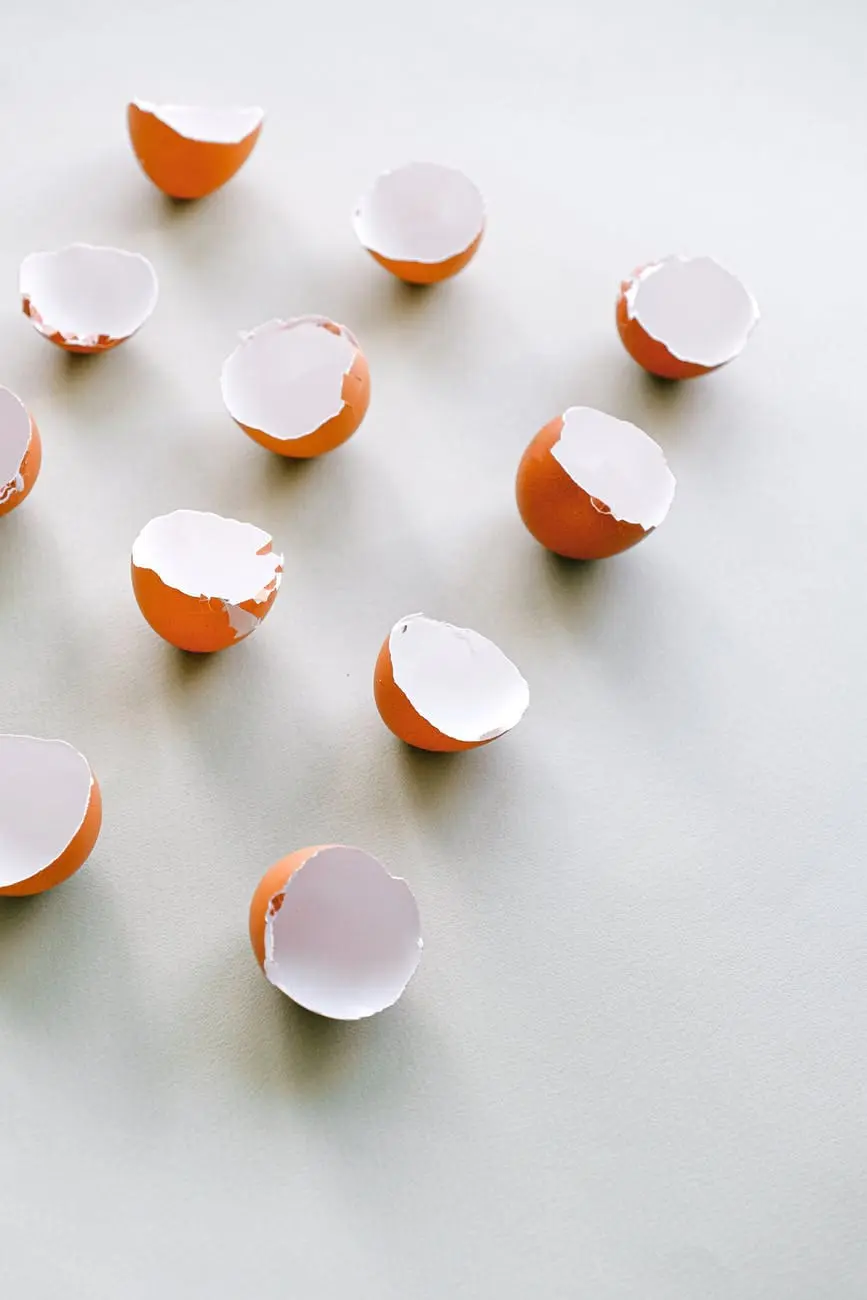
- Extra calcium – Their bones may weaken with age, so providing crushed eggshells or Calci-Protein Blend can help
- Boost gut health – Probiotics and fermented feed can aid digestion, which slows down with age. If they have a runny bottom, give them Gut Health Blend to support.
- Treats in moderation – Fruits, vegetables, and a bit of scrambled egg can offer variety, but avoid excessive starches or fatty treats
Housing and Comfort
Senior hens need a few modifications to their living environment:
- Lower roosting bars – Arthritis and joint pain can make high perches difficult to reach
- Easy access to food and water – Ensure they don’t have to compete with younger, more dominant hens
- Soft bedding – Hemp or wood shavings can provide extra comfort for resting hens
- Weather protection – Older hens are less resilient to extreme temperatures, so ensure their coop is well-ventilated in summer and insulated in winter
Health Checks and Common Issues
Older hens are more prone to health problems, so regular checks are essential:
- Weight loss or gain – Drastic changes can indicate illness
- Bumblefoot – A bacterial infection of the foot, common in older birds who roost on hard surfaces
- Arthritis – Look for stiff movements or reluctance to walk
- Respiratory issues – Wheezing or nasal discharge should be treated immediately
- Tumours or internal issues – Older hens are more prone to reproductive tract problems and other internal conditions.
If you notice any concerns, isolate the affected hen if necessary and consult a poultry-savvy vet.
Social Integration and Wellbeing
Older hens may get pushed around by younger, more active flock members. To keep their social life stress-free:
- Provide separate feeding and watering stations to prevent bullying
- If needed, create a ‘retirement pen’ for older hens to live more peacefully
- Keep an eye on pecking order disputes and intervene if necessary
Should You Keep Non-Laying Hens?
Many backyard chicken keepers face the question: should they keep hens that no longer lay? While commercial farms cull older birds, many backyard keepers choose to let them live out their days happily.
Even if they are no longer laying, senior hens still offer many benefits to the flock and the backyard ecosystem. They help control pests by foraging for insects, aerate the soil as they scratch, and contribute to fertilising your garden with their manure. Older hens can also play a nurturing role in the flock, helping to keep younger birds calm and maintaining social order.
Beyond their practical contributions, many keepers form strong bonds with their chickens over the years. Older hens can be affectionate, enjoying a quiet perch beside their owners or a gentle scratch under the chin. For those who see chickens as pets rather than just egg producers, keeping senior hens is a rewarding experience that allows them to live out their natural lifespan with dignity and care.
If space and resources allow, creating a ‘retirement area’ within the coop can give aging hens a more comfortable and peaceful life while still being part of the flock.
Caring for old hens is a rewarding experience, and with a little extra attention, they can continue to enjoy life in your backyard. By adjusting their diet, modifying their environment, and monitoring their health, you can ensure your senior chooks remain happy and comfortable in their twilight years.