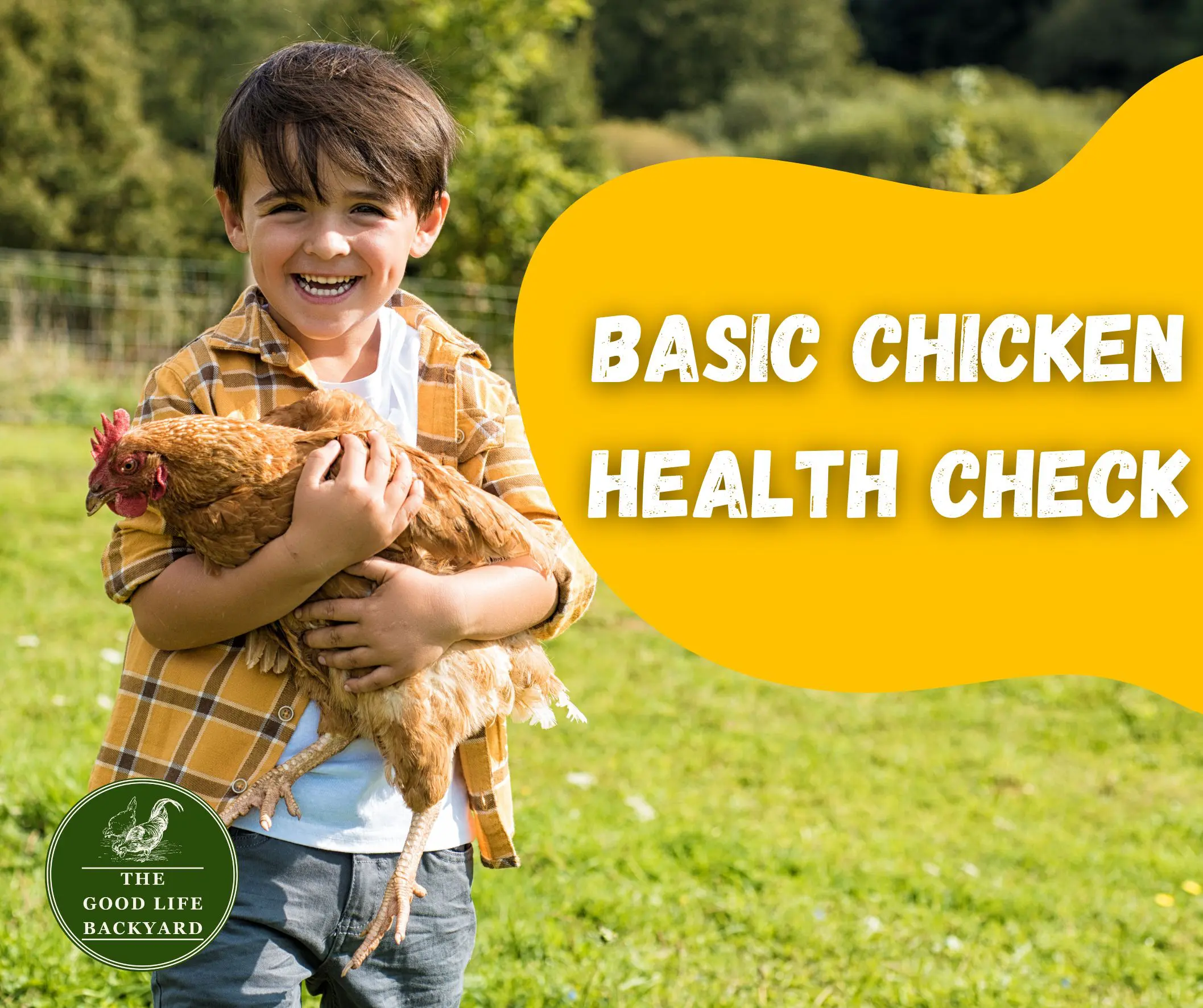
Keeping backyard chickens healthy and happy starts with regular chicken health checks. Chickens are experts at hiding illness, and by the time they show obvious symptoms, they may already be quite sick. A quick weekly health check can help you catch early warning signs, prevent disease, and ensure your flock thrives.
In this guide, we’ll walk you through how to perform a basic chicken health check, including what to look for, how to handle your chickens, and natural ways to support their overall well-being.
How to Handle a Chicken for a Health Check
Not all chickens love being picked up, but regular handling makes it easier to check for health issues and build trust. Here’s how to do it safely:
- Approach calmly and scoop the chicken up with both hands, supporting its wings
- Hold it close to your body to keep it calm and secure
- Gently examine the eyes, comb, feathers, and vent while keeping your chicken relaxed
- Keep the check quick and stress-free, then reward with a treat
Tip: Chickens are easier to handle at night when they’re roosting—they’re naturally calmer!
Bright, Clear Eyes & Clean Nostrils
Healthy chickens have bright, clear eyes with no swelling, cloudiness, or discharge. Watery eyes, bubbling around the eyes, or crusty nostrils could be signs of:
- Respiratory infections (such as Mycoplasma or Infectious Bronchitis)
- Irritation from dust, ammonia buildup, or poor ventilation
- Eye injuries from pecking or debris
What to do: Check your coop’s ventilation, keep bedding dry, and if symptoms persist, consider natural respiratory support like Spice Blend, Oxymav B, Triple C, oregano oil or veterinary care if needed.
Red, Plump Comb & Wattles
The comb and wattles are a great indicator of overall health. A bright red, plump comb usually means your chicken is thriving. However, pale, shriveled, or discolored combs could signal:
- Anemia from mites or lice sucking blood
- Nutrient deficiencies, particularly iron or protein
- Circulation or blood flow issues
- Extreme heat stress or dehydration
What to do: If you notice a pale comb, check for mites and lice, provide plenty of fresh water, and ensure your chickens are getting a balanced diet with protein, vitamins, and minerals.
Clean Feathers with No Bald Spots
A healthy chicken should have smooth, clean, well-groomed feathers. Bald spots or ragged feathers could be caused by:
- Mites or lice, which cause irritation and feather loss
- Pecking from other chickens, often due to boredom or lack of space
- Nutritional deficiencies, particularly protein
- Moulting, which is a natural process but can make chickens look rough
What to do: Dust baths and Diatomaceous Earth can help prevent mites and lice. If pecking is an issue, increase space, provide boredom busters (like hanging cabbages or pecking blocks), and check for bullying in the flock.
Firm, Normal Droppings
A chicken’s droppings tell a lot about its health. Healthy droppings should be firm, brownish with a white cap of urates. Watch for:
- Diarrhea or runny droppings – Could indicate worms, infections, or stress
- Green droppings – Sometimes normal, but can indicate liver problems or a diet imbalance
- Yellow or foamy droppings – Could signal an infection or digestive upset
- Blood in droppings – A potential sign of coccidiosis, a serious parasitic disease
What to do: Provide probiotics, apple cider vinegar, and a balanced diet to support gut health. If blood is present, consider coccidiosis treatment immediately.
You can read our full Chicken Poo Guide here.
Active, Alert Behaviour
A healthy chicken should be active, scratching, and engaged. Warning signs include:
- Lethargy or puffing up – Often a sign of infection, parasites, or egg-laying issues
- Standing alone – Chickens are social; isolation can mean illness
- Loss of appetite – Could be worms, crop issues, or stress
- Difficulty walking or lameness – Might be injury, vitamin deficiencies, or Marek’s disease
What to do: If a chicken seems off, isolate it and observe for other symptoms. Check for weight loss, laboured breathing, or crop issues and provide electrolytes, probiotics, or supportive care as needed.
Beak, Feet & Crop – What to Look For
Beak: Should be smooth and aligned. Overgrown beaks may need gentle filing
Feet & legs: Look for cuts, swelling, or bumblefoot (hard sores on the bottom of the foot)
Crop: In the morning, the crop should be flat and empty—a swollen crop could mean a blockage
Noticing any issues? Supplements like apple cider vinegar and probiotics help keep digestion running smoothly!
Natural Supplements for a Healthy Flock
A strong immune system starts with the right nutrition! Adding natural boosters to your flock’s diet helps prevent common issues:
- Apple cider vinegar – Supports digestion & respiratory health
- Gut Health Blend – Natural antibacterial & immune-boosting herbs
- Calci-Protein Blend – To support during moulting
- Probiotics & fermented feed – Strengthen gut health and prevent illness
- Electrolytes – Help chickens recover from heat stress and illness
- Diatomaceous Earth – A natural mite and lice deterrent
Want an easy way to boost your flock’s health? Check out our health supplements here.
Performing a weekly chicken health check is a simple but powerful way to keep your flock in top shape. By handling your chickens regularly and observing changes, you can catch health issues early and prevent bigger problems down the line.
A quick 30-second check each week can make all the difference!


