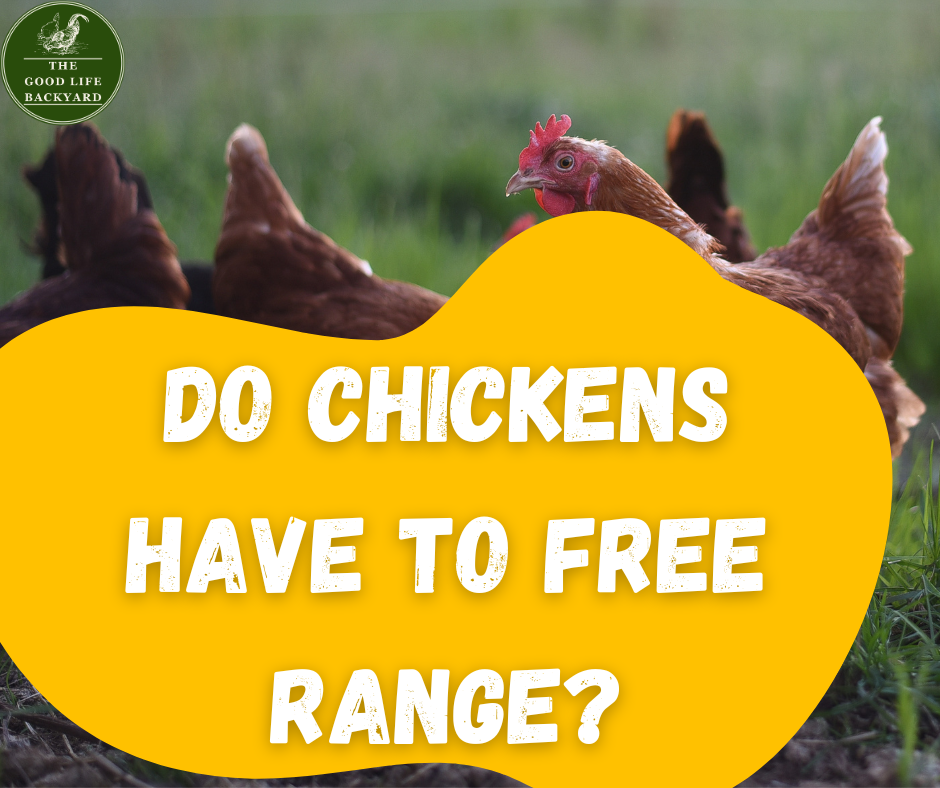
Why a secure run can be just as rewarding for your flock
When most people picture backyard chickens, they imagine a cheerful little flock pecking their way across a grassy yard. And while it’s true that free-ranging has its benefits—like natural foraging, mental stimulation, and plenty of exercise—it’s simply not a viable option for every chicken keeper.
But here’s the good news: your chickens don’t have to free-range to be happy, healthy, and productive. In fact, with the right setup and some thoughtful planning, a secure run can provide everything your flock needs to thrive—minus the risks.
In this blog, we’ll explore the realities of free-ranging, why it’s not always necessary, and how you can create an enriching, safe, and healthy environment for your chooks—even if they never set foot outside a secure run.
The Free-Range Ideal vs. Backyard Reality
We all love the idea of our flock roaming freely, grazing on grass, snapping up bugs, and living the ‘natural life.’ It’s a lovely goal, but one that doesn’t always match up with the reality of suburban or semi-rural chicken keeping.
Here are just a few reasons why free-ranging may not work for everyone:
- Predators like foxes, dogs, snakes, and hawks
- Local council regulations or biosecurity concerns
- Small yard sizes or no fencing
- Risk of garden destruction—chickens aren’t picky about where they scratch!
- Urban restrictions or close neighbours
And even when you can free-range safely, it’s often only for part of the day, meaning your coop and run still need to meet your chickens’ core needs.
Creating a Coop & Run They’ll Love
Just because your chickens can’t roam freely doesn’t mean they can’t live rich, rewarding lives. The key is to make their space functional, safe, and full of opportunities to be chickens.
Here’s how:
1. Space Matters
Chickens need room to move. Crowded conditions lead to stress, feather pecking, and lower egg production. A good rule of thumb? Aim for at least 1 square metre per bird in the coop and 3–4 square metres per bird in the run.
2. Bedding and Flooring
Choose flooring that drains well and supports natural behaviours. Sand, hemp, or pine shavings are all excellent options. They’re comfortable for scratching, easy to clean, and reduce mud and bacteria build-up.
3. Sun and Shade
Access to sunlight is vital for vitamin D synthesis and strong eggshells. Shade, on the other hand, helps prevent overheating and offers shelter on hot days. Provide both to keep your flock balanced year-round.
Keep Them Busy: Enrichment for Non-Free-Ranging Chickens
Chickens are clever, curious, and active animals. When confined to a run, they need enrichment to stay stimulated and satisfied.
Try adding:
- Dust baths – Essential for parasite control and a favourite pastime
- Hanging vegetables – Cabbage, corn cobs, or bunches of herbs work brilliantly
- Treat balls or feeders – Scatter scratch mixes in puzzle toys or DIY dispensers
- Logs, ladders, and platforms – Create vertical interest and exercise options
- Mirrors or CDs – Reflective surfaces intrigue and entertain
Rotate enrichment items regularly to keep their environment fresh and exciting.
Feeding Foraged Flavour—Without Free-Ranging
Just because your chickens can’t forage doesn’t mean they have to miss out on variety in their diet. There are plenty of ways to provide the flavours and nutrients they’d find in the wild:
- Garden & Grubs Blend – A high-quality treat blend packed with dried grubs, grains, herbs, and leafy greens that mimic natural foraging
- Forage Seed Kits – Plant your own mini pasture! Grow trays or patches of greens inside or adjacent to the run
- Fresh kitchen scraps – Leafy greens, herbs, melon rinds, and veggie tops are all chicken-friendly
- Shell grit – Especially important in non-foraging flocks to support digestion and eggshell strength
- Protein boosts – During moulting or egg-laying peaks, supplement with mealworms, black soldier fly larvae, or our Calci-Protein Blend
Predators Still a Threat? Keep It Secure
Free-ranging increases predator risk—but even a confined flock isn’t immune. Take steps to predator-proof your setup:
- Use hardware cloth, not chicken wire, for fencing—it’s far more durable
- Bury mesh around the perimeter to prevent digging
- Ensure the coop has latches and locks to keep night-time hunters out
- Install roofing or netting over runs to block aerial predators
- Consider a chicken tractor—a mobile coop/run that gives chickens access to fresh grass while keeping them protected
Let’s face it, there’s a lot of pressure in the chicken keeping world to “do things right,” and for some, that includes free-ranging. But the truth is, there’s no single perfect way to raise chickens. The best method is the one that keeps your flock safe, happy, and healthy, and fits within your lifestyle and environment.
If free-ranging isn’t practical for your situation, that’s okay. With the right care, a secure run can be just as rewarding—for both you and your feathered friends.
Your chickens will still dust bathe, scratch, perch, lay eggs, and cluck contentedly. And you’ll have the peace of mind knowing they’re safe, enriched, and living their best backyard lives.


